163: Learning to Sew Helps Save the Planet
No Comments

All Together Now, PA explains the different between slow and fast fashion:
Slow fashion is the movement of designing, creating, and buying garments for quality and longevity. It encourages slower production schedules, fair wages, lower carbon footprints, and (ideally) zero waste.
Fast Fashion – cheap, trendy, mass-produced – is a threat to our environment. The fashion industry makes up 10% of humanity’s carbon emissions, is the second-largest consumer of water worldwide, and is responsible for 20% of industrial water pollution worldwide. Textile dyeing is the world’s second-largest polluter of water. Washing clothes releases 500,000 tons of microfibers into the ocean each year — the equivalent of 50 billion plastic bottles. 85% of clothing ends up in the landfill producing harmful gases and toxins into our air and waterways. The Fast Fashion trend is growing. According to Business Insider, people bought 60% more garments in 2014 than in 2000, yet they only kept the clothes for half as long.
How dirty is your closet? The fashion industry produces more harmful carbon emissions than the aviation and shipping industries combined. Does your closet contribute to climate change? Find out with thredUP’s fashion footprint calculator.
If one wants to REALLY make a difference, learning to sew is the solution.
This is why:
- One can more easily choose colors and designs that flatter one’s personality.

I’m wearing a jacket I copied, a blouse I made from a home sewing pattern, and pants that I drafted. These clothes were made a year ago. I have every reason to think they will last for years. I take the time when I sew, because it saves me a lot of work and time in the end. - One can more easily choose colors and designs that coordinate with what one already has, greatly expanding one’s wardrobe’s use, without adding that many items of clothing.
- One can have whatever one wants.
- One’s clothes fit.
- One can be more selective, choosing fabrics woven or knitted from natural fibers.
- What one makes, if made carefully, far outlasts what one would buy.
- Being able to sew saves a LOT of money!
- If one’s figure changes, most of what one sews can be altered.
- If one can no longer use the clothing, it is still highly desirable, and if donated, can be used by others.

Want to learn to sew?
My website offers classroom tested, step-by-step, instructions books. All can be done in the home with minimal equipment.
UTube
https://laurelhoffmann.com/
https://www.facebook.com/CFashionEdu
https://www.linkedin.com/in/laurelhoffmann/
RSS Feed: https://laurelhoffmann.com/blog/
https://www.ravelry.com/projects/LaurelHoffmann
https://www.thumbtack.com/pa/philadelphia/drawing-lessons/fashion-drafting-sewing-books-classes
Professional Drafting and Sewing Books
-
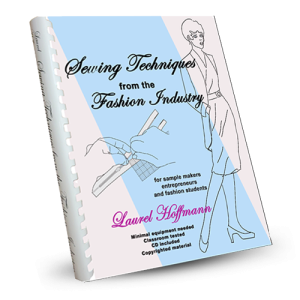
 Sewing Techniques from The Fashion Industry
$151.00
Sewing Techniques from The Fashion Industry
$151.00
-
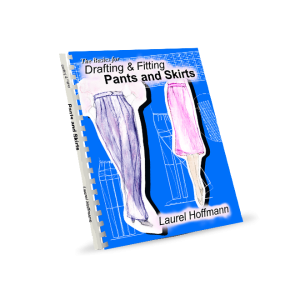
The Basics for Drafting & Fitting Pants and Skirts
$135.00
-
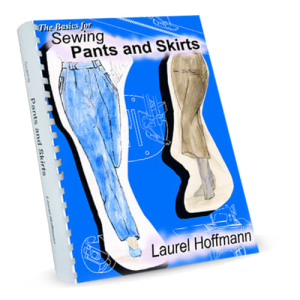
The Basics for Sewing Pants and Skirts
$188.00
-
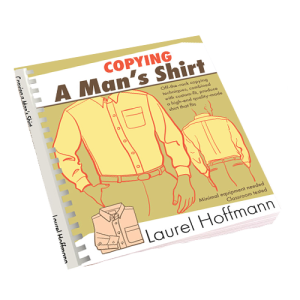
Copying a Man's Shirt
$153.00
-
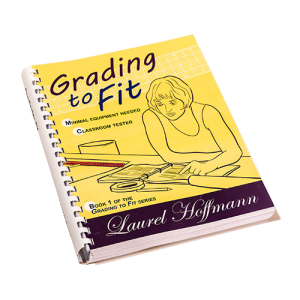
Grading to Fit
$196.00
-
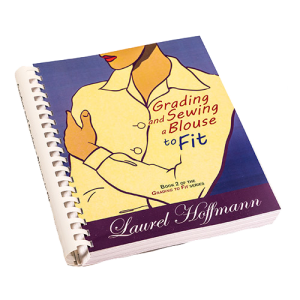
Grading & Sewing a Blouse to Fit
$152.00
-
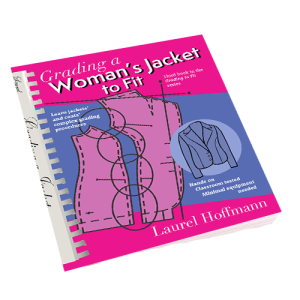
Grading a Woman’s Jacket to Fit
$153.00
-
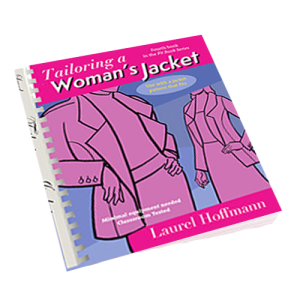
Tailoring a Woman’s Jacket
$128.00