202: Designing the Future: An Entrepreneur’s Guide to Sustainable Fashio
No Comments
 Image: Freepik
Guest columnist – Emma Grace Brown
Emmagracebrown.com
Fashion has always been a mirror of human ambition — but lately, that mirror reflects the planet, too. Entrepreneurship in fashion is the emerging wave where creativity, ethics, and sustainability thread together into viable business models. For fashion entrepreneurs, this isn’t a trend; it’s an adaptation strategy for the next decade.
Summary
EcopreneurshiP in fashion means building businesses that merge design and sustainability — from material sourcing to production ethics and circular business models. It’s profitable, but only when paired with transparency and long-term commitment to ecological and social goals.
What Is Ecopreneurship, Really?
It’s not just “eco-friendly fashion.” Ecopreneurs go beyond minimizing harm; they design for positive impact — reducing waste, regenerating materials, or re-inventing supply chains. Think of Patagonia, Reformation, or small independents using mushroom leather and closed-loop dye systems.
Checklist: How to Begin Your Ecopreneur Journey
- Audit your supply chain — note where the most waste, energy use, or opacity exists.
- Select sustainable materials — organic cotton, recycled polyester, or low-impact dyes.
- Design for longevity — modular garments, repair services, or take-back programs.
- Build transparency — share data using traceability tools like Open Apparel Registry.
- Communicate your values — storytelling is your best ally for consumer trust.
- Close the loop — reuse offcuts, partner with recyclers, or launch upcycling lines.
- Measure, publish, repeat — track CO₂, water, and social metrics every season.
Table: Common Ecopreneurship Models in Fashion
Model Type Core Focus Example Practices Impact Potential Circular Production Reduce waste Fabric recycling, upcycling workshops High Ethical Supply Chains Fair labor + transparency Worker cooperatives, traceable fabrics Medium–High Local Micro-Manufacturing Regional production On-demand small batch runs Medium Material Innovation Replace harmful inputs Bio-based or lab-grown textiles High Repair & Reuse Services Extend garment life Tailoring hubs, online swap platforms Moderate For deeper research, review guides from Fashion for Good.
The Business Side: Profit Meets Purpose
Contrary to popular belief, sustainable doesn’t mean unprofitable. Successful ecopreneurs balance margins by optimizing logistics and tapping green-tech grants like those listed at Green Business Bureau. Investors increasingly seek regenerative brands that align with ESG goals.
Marketing and Brand Identity for the Eco-Conscious
In sustainable fashion, brand storytelling carries more weight than traditional advertising. Consumers now seek honesty over perfection — they want to see progress, not polish. The most effective eco-conscious brands highlight transparency in sourcing, social impact, and long-term vision rather than surface-level “green” claims. A clear and credible message helps build emotional loyalty and drives word-of-mouth trust across communities.
FAQs
Q1. What’s the difference between eco-friendly and ecopreneurship?
Eco-friendly focuses on materials or single actions; ecopreneurship builds entire business systems around sustainability.Q2. Is small-scale fashion worth pursuing?
Absolutely. Localized micro-production cuts logistics emissions and builds community loyalty.Q3. Are certifications necessary?
They aren’t mandatory but can accelerate trust.Q4. How do I attract funding?
Impact-focused investors often look for measurable outcomes — use carbon reporting frameworks like CDP to prove your results.Quick-Reference: Five Common Misconceptions
- Sustainability costs too much — False, inefficiency is costlier.
- Consumers don’t care — surveys say 60%+ prefer ethical brands.
- Green equals boring — materials like Piñatex and Tencel are stylish.
- Only large brands can scale — digital-first models level the field.
- Certification is complex — start with one small, credible step.
Product Spotlight: EcoCart Integration
If you’re setting up an online store, consider integrating EcoCart — a plug-in that calculates and offsets carbon emissions from orders. It’s one of several emerging tools enabling direct consumer climate action.
How-To Segment: Building a Small Eco-Fashion Line
Step 1 – Define Your Mission. Why do you exist beyond profit?
Step 2 – Prototype Sustainably. Test small runs using biodegradable packaging.
Step 3 – Create Transparent Pricing. Publish cost breakdowns to invite trust.
Step 4 – Engage Communities. Host mending pop-ups or skill-share events.
Step 5 – Scale Mindfully. Expand only when your sourcing model can handle it.Glossary
- Circular Economy: A system focused on reusing and recycling materials.
- Closed-Loop Production: Manufacturing where outputs feed back as inputs.
- Greenwashing: Misleading marketing about environmental benefits.
- Regenerative Fashion: Design that actively restores ecosystems.
- Traceability: The ability to track every stage of production.
- Upcycling: Turning waste materials into higher-value products.
- Ecopreneur: An entrepreneur driven by ecological and social responsibility.
Ecopreneurship isn’t a luxury. It’s the logical next phase of fashion’s evolution — where beauty and responsibility share the same runway. The entrepreneurs who master this intersection will not only shape sustainable commerce but also rewrite how creativity measures success.
Many thanks to guest columnist Emma Grace Brown
Emmagracebrown.comLaurelHoffmann-YouTube
https://laurelhoffmann.com/
https://www.facebook.com/CFashionEdu
https://www.linkedin.com/in/laurelhoffmann/
https://phillycam.org/project/creating-fashion
https://www.instagram.com/laurelhoffmann4015/
RSS Feed: https://laurelhoffmann.com/blog/feed/
https://www.yelp.com/biz/laurel-hoffmann-oreland
Phone: 215 884 7065
Professional Drafting and Sewing Books
-
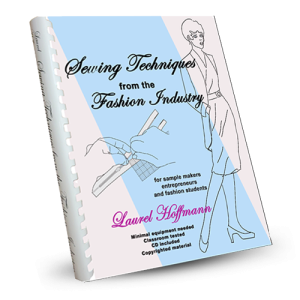
 Sewing Techniques from The Fashion Industry
$151.00
Sewing Techniques from The Fashion Industry
$151.00
-
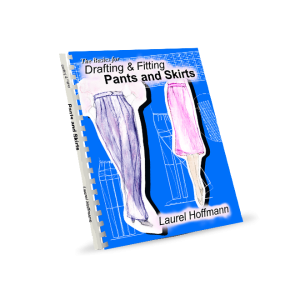
The Basics for Drafting & Fitting Pants and Skirts
$135.00
-
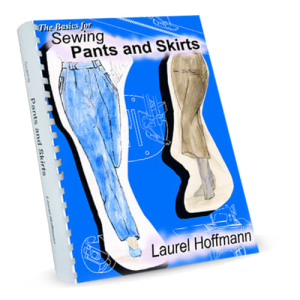
The Basics for Sewing Pants and Skirts
$188.00
-
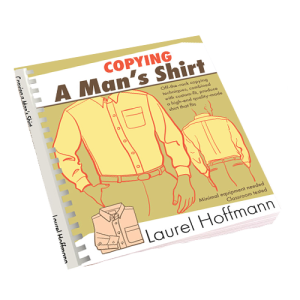
Copying a Man's Shirt
$153.00
-
Grading to Fit
$196.00
-
Grading & Sewing a Blouse to Fit
$152.00
-
Grading a Woman’s Jacket to Fit
$153.00
-
Tailoring a Woman’s Jacket
$128.00