157: Turning Your Creative Passion Into a Career
No Comments

Guest columnist: Ian Garza
Some people are content with allowing their hobbies to simply be relaxing pastimes. Others have grand ambitions to monetize their passions, turning their creative outlets into marketable goods and services. Getting paid for your creations isn’t necessarily easy for creators such as fashion designers, painters, and writers, but the following tips can help you get started.
Ready to start making your own clothing? Visit fashion educator Laurel Hoffmann for supplies, helpful videos, and professional drafting and sewing books.
Identifying Your Target Demographics Before you can start selling your products to your customers, you need to know who those customers are and where to find them. Conduct market research to determine which demographics would be interested in what you do. The data you uncover might also point you to the best ways to advertise to these groups or the venues in which to find them. Craft shows, competitions, and conventions are great places to showcase your work, usually for a small vendor permit fee.
You’ll need some compelling examples of your work if you hope to attract your audience. Your portfolio should represent the best work you can do, but should also display your range. A fashion designer’s portfolio, for instance, should cover a range of styles and types of garments, just as painters should highlight their specialties while showcasing the mediums they’re competent in. Remember to be as objective as possible when creating your portfolio; your favorite work may not necessarily be your most marketable or technically impressive one.
Marketing Yourself as Well as Your Craft
The internet has made it easier than ever to show your work to the world, but it’s also created an incredibly saturated market for independent creators. A strong social media presence and an approachable, marketable personality will go a long way toward building your brand and attracting your future clientele. Show the world what makes you unique; you are as much of a part of the product as your creations are.
Another way to achieve brand awareness is with a visually striking banner on your social media pages. Something eye-catching that encompasses your brand in some way is bound to entice a curious party to check out what you have to offer. Use a banner template to help you make your own static or animated banner without the help of a potentially costly graphic designer.
Going Legit
Once your creations begin to sell, you’ll need to make your project a bit more legitimate to keep operating legally. Drawing up a business plan is a good first step when deciding to register a company. If you need starting capital, banks and investors will want to see some evidence that your business model has potential, and a sufficiently detailed plan can serve as a blueprint for the early days of your venture, eliminating guesswork.
You’ll also want to decide how your business is structured. For example, an LLC provides you with certain protections and tax incentives. Meanwhile, a corporation makes it easier to distribute stock shares among investors. The requirements and regulations for certain business structures vary by state, so make sure to do your research and speak with a legal professional when necessary.
Monetizing your passions might seem like an unrealistic dream, but plenty of people do it successfully every day. Identifying and marketing to your target audience and researching and planning every step of the way will give you the most opportunities to make the right decisions in your venture.
Many thanks to Ian Garza, guest columnist
Thanks for reading,
Laurel
UTube
https://laurelhoffmann.com/
https://twitter.com/LaurelHoffmann1
https://www.facebook.com/CFashionEdu
https://www.linkedin.com/in/laurelhoffmann/
RSS Feed: https://laurelhoffmann.com/blog/
https://www.ravelry.com/projects/LaurelHoffmann
https://www.thumbtack.com/pa/philadelphia/drawing-lessons/fashion-drafting-sewing-books-classes
Professional Drafting and Sewing Books
-
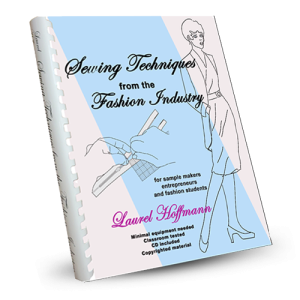
 Sewing Techniques from The Fashion Industry
$151.00
Sewing Techniques from The Fashion Industry
$151.00
-
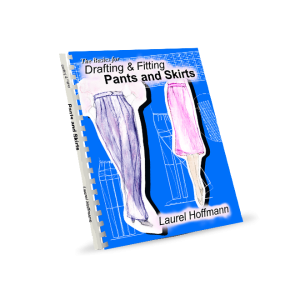
The Basics for Drafting & Fitting Pants and Skirts
$135.00
-
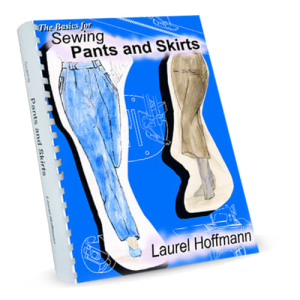
The Basics for Sewing Pants and Skirts
$188.00
-
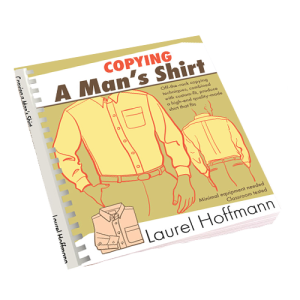
Copying a Man's Shirt
$153.00
-
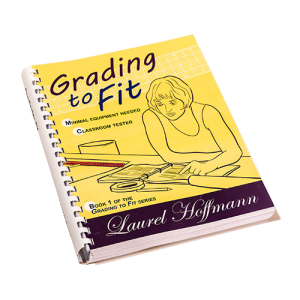
Grading to Fit
$196.00
-
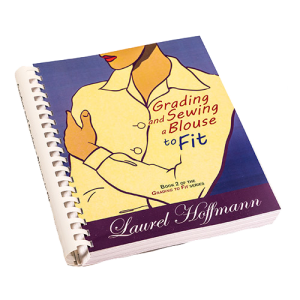
Grading & Sewing a Blouse to Fit
$152.00
-
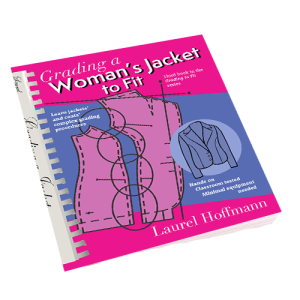
Grading a Woman’s Jacket to Fit
$153.00
-
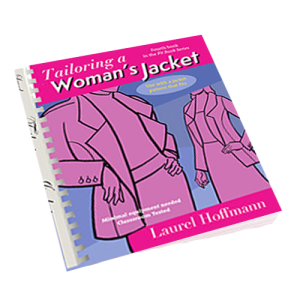
Tailoring a Woman’s Jacket
$128.00