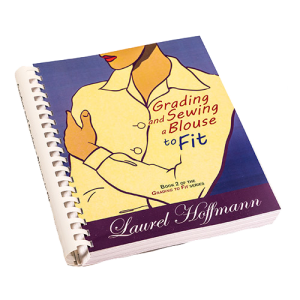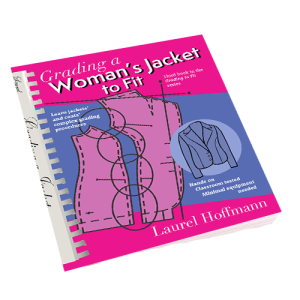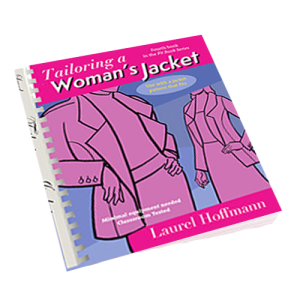
The fashion/ textile industry is second largest industrial polluter on the planet – only the oil industry pollutes the planet more
This is a huge concern for the fashion industry and was a major topic at the Texworld USA and Apparel Sourcing USA trade show at NYC Javit’s Center, last week (July 23-25, 2018).
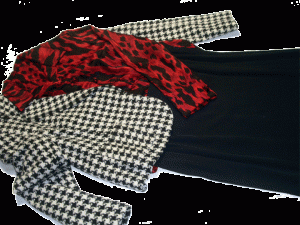 |
| Americans discard 40 pounds of clothing a year. Buying better, using longer is one solution to this problem. Learning to sew quality clothing is another. Quality, custom sewn clothing made using high-end industrial procedures, is comfortable, a delight to wear, and will still look new 30 years later. |
Some of the reasons for this problem:
-
- Insecticides used in growing cotton result in Texas cotton farmers experiencing a high rate of cancer.
- Many chemicals used to produce synthetic fabrics are toxic
- Polyester fibers are made from oil – clothing made from these fibers stain easily, causing the clothing to be quickly discarded
- Many chemicals used in the finishing of fabrics are toxic. One can smell these chemicals when one enters a clothing or fabric store
- After 50 washings to remove the chemicals, some may still remain
- Dyes can be toxic
- Consumers buy cheap clothing, which has a short life span.

Color analysis enables better selection of wardrobe
items, and the ability to create a wardrobe
that requires fewer pieces.
More information - Not all manufactured clothing is purchased, creating waste
- Global transportation of fabrics and manufactured clothing requires considerable energy, adding to the pollution
- The average American discards 40 pounds of clothing a year.
- Land fills are filling up with discarded clothing.
- An excessive time frame is needed for discarded synthetic fabrics to decompose.

Sustainability comes up over and over again in the fashion feeds. Here is one I received recently:
Prada hosted a conference on sustainability titled “Shaping a Sustainable Digital Future”,in partnership with the Yale School of Management and the Polytechnic University of Milan’s School of Management,November 20, 2018, at the Prada Foundation in Milan, this was the second event in Prada’s “Shaping a Future” series of cultural conversations. Launched in 2017, the initiative aims to bring academics and businesses together to discuss how to build a sustainable future.
- Shaping a Sustainable Digital Future explored the large impact and implications of digitalization on business and societal sustainability”, said Prada in a statement. Representatives from several businesses and institutions will take part in the discussions, which will be attended by the business students from both partner universities.
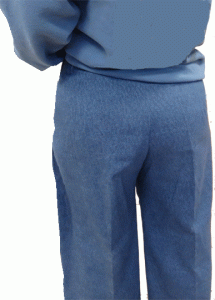 |
| Fit is one of the main reasons so much clothing is either not purchased or is discarded. Far too many manufactured pants pull in the crotch. A custom fitted pants pattern solves that problem. Drafting & Fitting Pants and Skirts shows how to draft to prevent pulls under the crotch. |
- But you didn’t have to study at Yale or the Polytechnic University of Milan to watch the conference, as it wa live-streamed on Prada’s website. More information about the live-streaming, as well as the event’s program and speakers, should be published on Prada’s website. ##
At the trade show’s seminar, Consumer Engagement and Shifting Consumer Preferences, Bruce Thomson, Co-founder and CEO of Bright Label, discussed how he is working to bring transparency to manufacturers’ clothing labels.
https://laurelhoffmann.com/
https://www.facebook.com/CFashionEdu
https://www.linkedin.com/in/laurelhoffmann/
https://www.instagram.com/laurelhoffmann4015/
RSS Feed: https://laurelhoffmann.com/blog/
https://www.ravelry.com/projects/LaurelHoffmann
https://www.yelp.com/biz/laurel-hoffmann-oreland
https://www.thumbtack.com/pa/philadelphia/drawing-lessons/fashion-drafting-sewing-books-classes