
 The Four-Piece Go-Anywhere Outfit
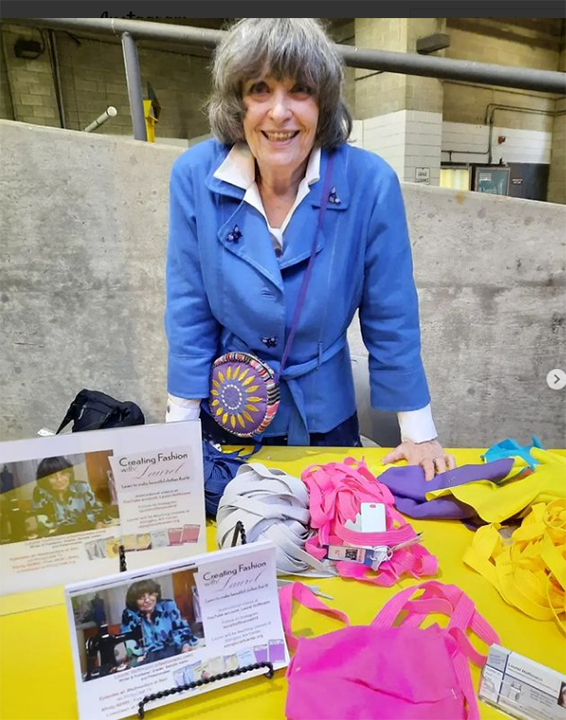
Had a great time at the @phillycam Anniversary Block Party on Saturday, Oct 23, 2021. Showed everyone how to make no-sew safety-pinned masks. I’m wearing a jacket I copied, a blouse I made from a home-sewing pattern, and pants that I drafted.
The little circular purse I’m wearing was a gift from a young woman I mentored after 911. She bought it in Morocco. I carry my mask and dark glasses in it. I’ve used it so much I recently had to replace its zipper.

Blouse:
I selected a home-sewing pattern in my size, then inserted bust darting and rotated it into a princess seam as shown in our video, How to Insert Bust Darting. I sewed the princess seam on the outside of the garment. Then covered the princess seams with blue ribbon sewn under see-through lace. Snaps are sewn under the buttons to avoid machine buttonholes and to give the blouse a higher-end look.
The tied roll over the blouse contains the blue jacket’s patterns. The tie is a strip of fabric left from the jacket, used to identify the pattern.

Pants:
Wore pants that I made from tie-dyed fabric, probably bought at an outdoor market while on vacation. I thought the tie-dye pants would be more interesting to our booth’s visitors than the ensemble’s matching pants.

Pants and skirt:
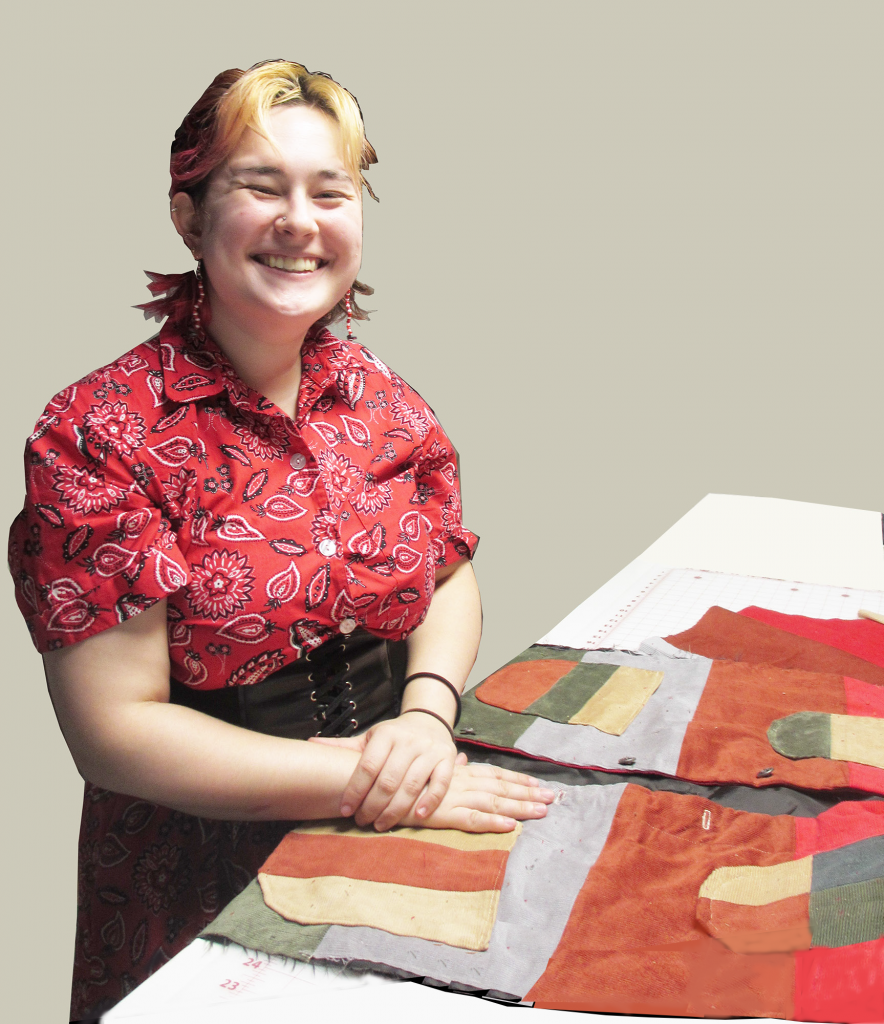
The jacket was cut from fabric previously used to make its matching skirt and pants. I buy at least 6 yards of fabric in a basic color from my winter color palette. I then cut and sew a complete set of clothing: jacket, pants, skirt, vest; sometimes I also make a blouse, depending on the fabric. When I get dressed, I charge up the outfit with color, choosing a matching or contrasting blouse, jewelry and/or scarf.

Blue jacket:
The blue jacket is a copy of a gray jacket I bought several years ago in Boscovs, my favorite department store. The original jacket was inexpensive. It is unlined, and was made quickly on factory overlock machines. Take note, the industry very often uses patterns originally drafted for the high-end market to make inexpensive garments. The pattern was complicated with good reason. It was well-designed.
I up scaled the jacket with lining. The buttons were purchased years ago at the Philadelphia Art Museum at a Elsa Schiaparelli’s show. The buttons are copies of buttons she designed.
Complete information on tailoring a jacket, including how to draft the supporting patterns, is included in my new book, Tailoring a Woman’s Jacket, scheduled to go on the market, hopefully by the end of this year or sooner.

Gray jacket:
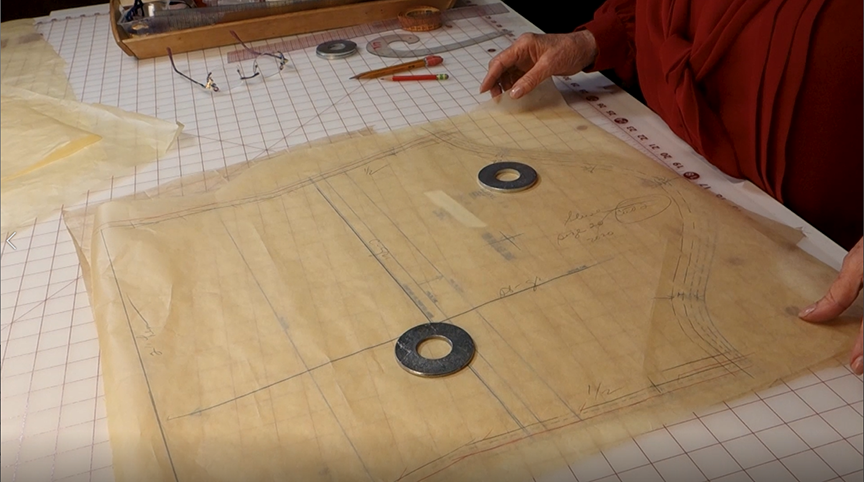
I copied a gray jacket that I bought years ago. Copying a ready-made garment is fairly easy. It’s done all the time in industry where almost nothing is copy-righted. I laid artists’ tracing paper over first one section and then another, traced off the underlying section (pattern), checked that the pattern’s seams sewed to the corresponding traced pattern’s seams, then added seam allowances. I checked my traced patterns’ fit by sewing up a muslin before drafting the supporting facing and lining patterns.
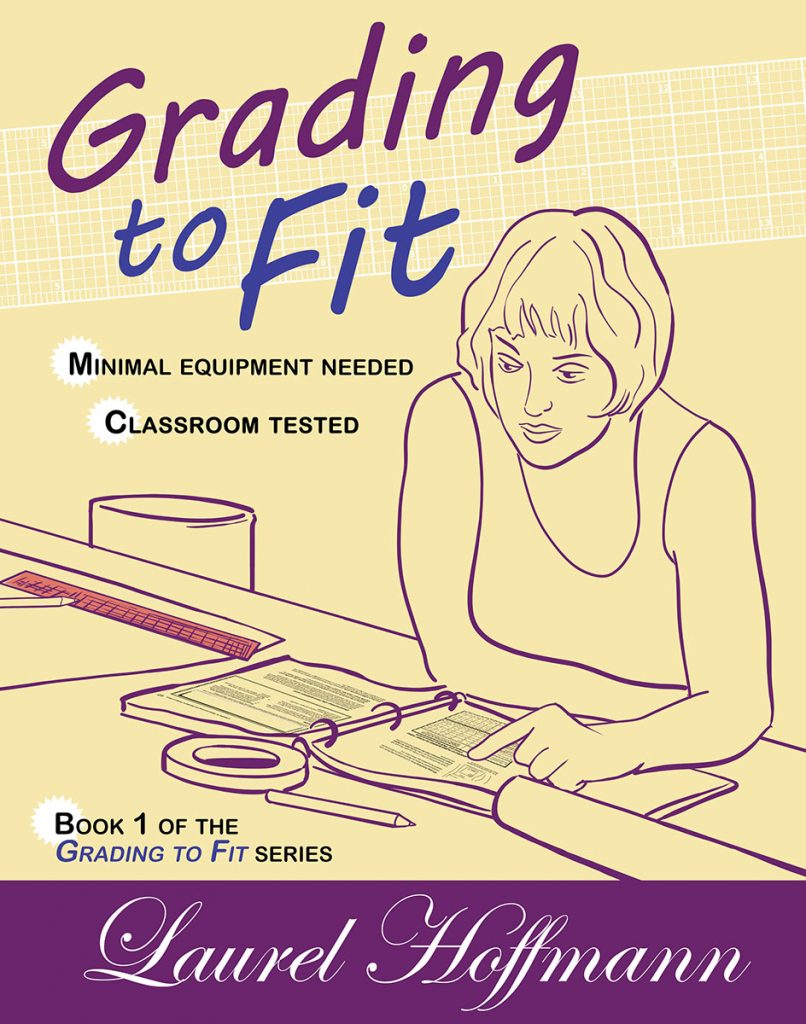
I’m currently working frantically to finish Copying a Man’s Shirt, which shows how to copy, then correct the patterns from a ready-made garment, and then how to correct the fit. This is the last and final book in my eight-book series that present how the industry drafts and sews. Interested in producing high-end garments? Here is the information you need to obtain a good job in the industry and/or to make clothing so beautiful, no one asks, Did you make it?
Learn how the jacket was cut. Next week, Thursday, November 11 at 7 am, the sequel to this post, 147: Cutting a Jacket, goes live. It shows how to cut high-end garments that last and look great.
Utube
http://localhost/cfashion/
https://twitter.com/LaurelHoffmann1
https://www.facebook.com/CFashionEdu
https://www.linkedin.com/in/laurelhoffmann/
RSS Feed: http://localhost/cfashion/blog/feed/
https://www.instagram.com/laurelhoffmann4015/
https://www.ravelry.com/projects/LaurelHoffmann
https://www.thumbtack.com/pa/philadelphia/drawing-lessons/fashion-drafting-sewing-books-classes
Laurel@CFashionEdu.com
215 884 7065
© Laurel Hoffmann, 2021